
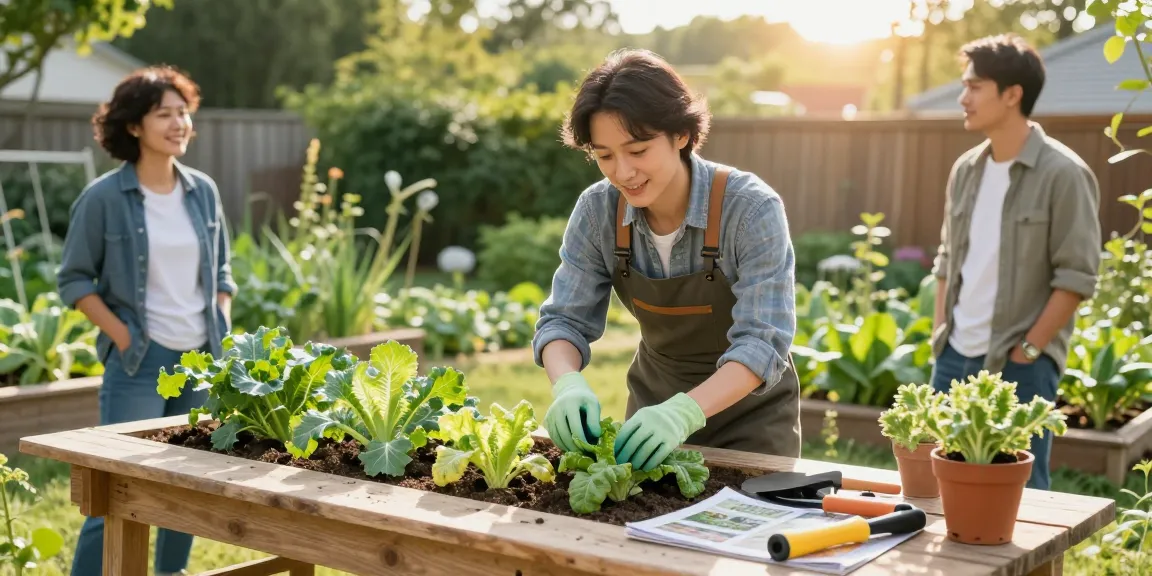
The Psychological Benefits of Growing a Vegetable Garden
Engaging in gardening, particularly growing a vegetable garden, has profound psychological benefits that extend beyond the planting and harvesting of produce. In recent years, the increased awareness of mental health issues has led people to seek alternative methods for managing stress, and gardening has emerged as a popular choice. For individuals in urban settings, where green spaces may be limited, maintaining a home vegetable garden provides a unique opportunity for relaxation and therapeutic engagement. Notably, research indicates that a vegetable garden reduces stress by fostering a deeper connection to nature and encouraging mindfulness.
How Gardening Lowers Stress Hormones
Scientific studies support the idea that gardening can significantly lower levels of cortisol, the body’s primary stress hormone. Engaging in light physical activity, such as planting seeds, watering plants, or weeding, triggers the release of endorphins—natural chemicals in the brain that promote feelings of happiness and relaxation. A consistent routine of gardening can result in a notable decline in anxiety and stress-related symptoms, creating a healthier overall mental state.
The Mindfulness Factor: Connecting with Nature
Gardening encourages mindfulness—being completely present in the moment, observing the details around you, and focusing on the task at hand. As you interact with soil and plants, your mind departs from the distractions of daily life, promoting a calming effect on your mental health. The act of nurturing plants not only connects you with nature but also allows for a form of meditation that can effectively alleviate stress.
Long-Term Mental Health Improvements
With regular practice, the psychological benefits of gardening can lead to long-term improvements in mental health. Growing and caring for plants develops resilience, self-esteem, and a sense of purpose. As you witness the fruits of your labor, it reinforces positive feelings and reduces feelings of inadequacy and anxiety.
Choosing the Right Space for Your Vegetable Garden
When considering to start a vegetable garden, the right space is crucial for maximizing your gardening experience. Whether you have a sprawling backyard or a compact balcony, there are options to create a productive and enjoyable gardening environment. A well-planned garden will enhance not only its aesthetic appeal but also its function.
Urban vs. Rural Gardening: What You Need to Know
For urban dwellers, growing a vegetable garden may seem challenging due to limited space. However, numerous solutions exist, such as vertical gardening or container gardening, which can be adapted to suit smaller areas. In rural settings, the expansive space allows for traditional gardening, where planning the layout requires consideration of sunlight, drainage, and soil quality.
Assessing Your Home’s Environment for Gardening
Before you start planting, assess your environment. Is your chosen area well-lit, protected from harsh winds, and equipped with adequate drainage? Often, the best location is one that receives sunlight for a minimum of six hours per day, as most vegetables thrive under these conditions. By understanding your home’s environment, you can ensure a successful and fruitful gardening experience.
Popular Vegetables to Grow in Your Area
The type of vegetables you can grow will largely depend on your regional climate and season. For instance, in Italy, the Mediterranean climate is perfect for vegetables like tomatoes, peppers, and herbs nearly year-round. Researching and selecting vegetables that thrive in your specific locale will enhance your chances of a bountiful harvest.
Starting Your Vegetable Garden: Essential Tools and Supplies
Equipping yourself with the right tools can make the gardening process enjoyable and efficient. Depending on your space and choice of garden style, several essential supplies will ensure your gardening attempts are successful right from the start.
Recommended Urban Gardening Kits
For those living in confined spaces, investing in a complete urban gardening kit can be a wise choice. These kits often include containers, soil, and seeds, along with instructions to help beginners navigate through their gardening journey with ease and confidence.
Ergonomic and Affordable Gardening Tools
Using ergonomic tools can lessen physical strain and make the task of gardening more accessible, especially for those with limited mobility. Look for well-designed tools such as trowels, pruners, and weeders that provide comfort during use. Many local gardening supply shops may offer budget-friendly options without compromising quality.
Where to Find Certified Organic Seeds
To ensure you are cultivating a healthy and chemical-free garden, sourcing certified organic seeds is paramount. Local farmers’ markets and gardening centers typically have a variety of organic seed options for different vegetables suited to your growing conditions. Not only does this promote health, but it also supports local growers.
Avoiding Stressful Gardening Mistakes
Research indicates that novice gardeners often encounter several common pitfalls that can lead to frustration and decreased enjoyment of the gardening experience. By understanding and avoiding these mistakes, you can create a more harmonious relationship with your garden.
Basic Steps to Ensure a Healthy Garden
Start with planning your garden layout appropriately, ensuring proper spacing to facilitate healthy plant growth. Consistent watering, appropriate lighting, and periodic soil checks are fundamental aspects of maintaining a thriving garden.
Common Pitfalls to Avoid as a New Gardener
Common mistakes include overcrowding plants, neglecting pest management, and improper watering practices. Learning from these missteps is part of the gardening journey, but awareness can save time and stress.
Maintaining Control: Understanding Nature’s Pace
Gardening teaches valuable lessons in patience and acceptance. Unlike tasks that can be accelerated by technology or management techniques, growing plants requires an understanding of nature’s timelines. Embracing this can lead to a more rewarding experience.
Transforming the Gardening Experience into a Lifestyle
As you grow your garden, you may find yourself developing a deeper appreciation for nature and a slower pace of life. This is part of the transformation that occurs when gardening becomes more than just a hobby and transitions into a sustainable lifestyle.
Building Family Connections through Gardening
Gardening is an excellent way to strengthen family bonds. Involving children or partners in gardening activities not only teaches responsibility but can also instill lifelong values of patience, care for the environment, and teamwork.
Creating Rituals to Foster Mindfulness
Establishing gardening rituals such as tending at the same time each week can deepen the meditative quality of your gardening practice. These moments allow you to reconnect with yourself and the world around you.
Sustaining Your Garden Over Time
To maintain your gardening success, it is essential to continuously learn and adapt. Regularly researching new planting techniques, seasonal crops, and organic pest control methods ensures that your gardening journey remains refreshing and exciting.
